Could you be someone who makes a real difference to an emergency situation? Read more about the importance of the bystander.
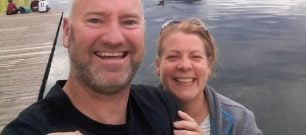
Ausra Chukarov, Patient & Public Involvement (PPI) contributor and member of IMPACT, shares a survivor’s personal perspective.
I am a survivor of a serious road traffic collision. I don’t remember anything about the collision itself, but I do understand what happened in the minutes afterwards and how important those moments were.
Before the ambulance arrived, I was helped by a group of bystanders who happened to be there. They didn’t know me, but they worked together to assess the situation and act quickly.
What made the difference in my case wasn’t just that people stopped to help, it was that they recognised early on that my injuries were serious and responded accordingly. One of the bystanders was particularly persistent in ensuring that a Category 1 ambulance was dispatched. That decision mattered. It meant the right level of response arrived as quickly as possible. At the same time, those on scene used their skills and judgement to manage things until the ambulance crew took over.
I later learned that I had fallen within what’s often referred to as the golden hour in trauma care, the period where early intervention can significantly affect outcomes. Looking back, it’s clear that the actions taken before I reached hospital were a key part of why I survived.
Before this experience, I hadn’t really thought about the role of bystanders in emergency situations. Now, I see how important those early decisions and actions can be.
You don't need complex training to make a difference
Bystanders are often the first people on scene, and what they do, especially recognising when something is serious, calling for help clearly, and taking simple actions, can directly influence what happens next.
These early steps form part of what IMPACT describes as the road injury chain of survival, where each link matters and delays or missed signs can affect outcomes.That’s why becoming part of the IMPACT research team as a Patient and Public Involvement (PPI) contributor is important to me. IMPACT’s bystander project reflects what I experienced, but it also looks ahead at how we can improve those first critical moments for others.
A key focus is understanding what bystanders need in order to act, both in terms of knowledge and confidence. For many people, hesitation doesn’t come from not caring, but from uncertainty. People may worry about doing the wrong thing, making injuries worse, or putting themselves at risk.
The bystander project is working to understand these barriers properly, so that they can be addressed with clear, realistic guidance.That includes identifying what education is actually useful. Not everyone needs complex medical training, but simple, practical knowledge can make a real difference, such as how to recognise serious injury, how to communicate effectively with emergency services, and how to prioritise actions at the scene.
Applying knowledge in a real situation
There is also a focus on keeping guidance simple and usable under pressure. In a real situation, people don’t have time to recall detailed training. They need straightforward steps, how to check for danger, how to make the scene as safe as possible, how to get help quickly, and how to provide basic support while waiting for emergency services.
As a PPI member, I contribute by sharing my perspective as someone who has experienced both the immediate and ongoing impact of a collision. That includes helping to keep research grounded in real experiences, feeding into how projects are designed and communicated, and ensuring that the patient voice is part of decisions about what should be studied and why.
For me, this is about helping to improve both survival and recovery. It’s about recognising that what happens at the roadside, what we learn from those who don’t survive, and how we support those who do are all connected.
The people who helped me each brought something different, but they had two things in common: they recognised the situation for what it was, and they acted.
Being part of IMPACT is a way for me to support work that strengthens that kind of response, so that more people in similar situations have the same chance I did, and a better recovery afterwards.
Read more about the Bystander Project.
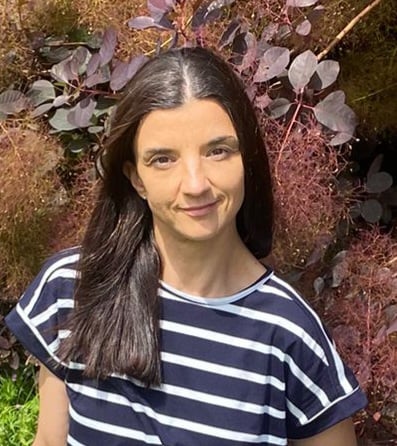
Ausra Chukarov